Cute Angel Wing Embroidery Design
The Cute Angel Wing embroidery design is a charming addition to any nursery-themed project or handmade product line. Its delicate, whimsical shape and soft visual tone make it ideal for baby items, personalized gifts, and decorative home accents. As a designer who regularly works with machine embroidery, I wanted to explore how this design performs in real-world applications—especially when used on custom apparel, tote bags, and other small business merchandise.
First Impressions: A Delicate, Whimsical Design
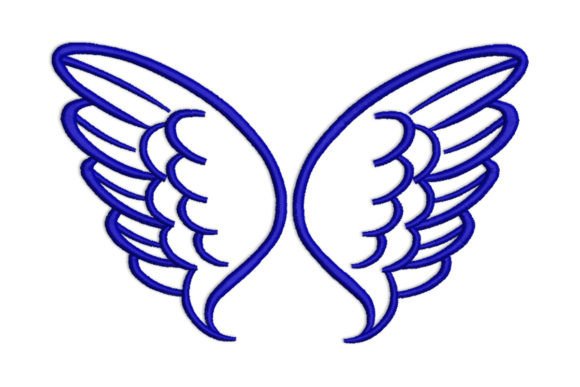
From the first glance, the Cute Angel Wing evokes a sense of innocence and lightness. The design features a simple yet elegant wing shape, often accompanied by subtle details like tiny dots or lines that suggest feathers. It’s not overly complex, but it has enough character to stand out without overwhelming the fabric it’s stitched onto.
The layout is balanced, making it versatile for different sizes and placements. Whether it’s on a baby onesie, a holiday gift bag, or a custom apron, the design feels natural and unobtrusive. Its theme aligns well with nursery decor, making it a go-to choice for parents looking for gentle, meaningful embroidery.
Real-World Use Cases: From Tote Bags to Baby Clothes
I tested the Cute Angel Wing on a few different projects to see how it would hold up in various settings. One of the first applications was a custom tote bag design. The wing looked soft and inviting against a light-colored cotton canvas. It didn’t require too much stitch density, which made it easy to embroider without causing puckering or distortion.
On a sweatshirt, the design appeared clean and professional. The satin stitch used for the wings created a smooth, polished look, while the fill stitches added depth without being too heavy. For a baby onesie, the design felt right at home—gentle, safe, and appropriate for a nursery setting.
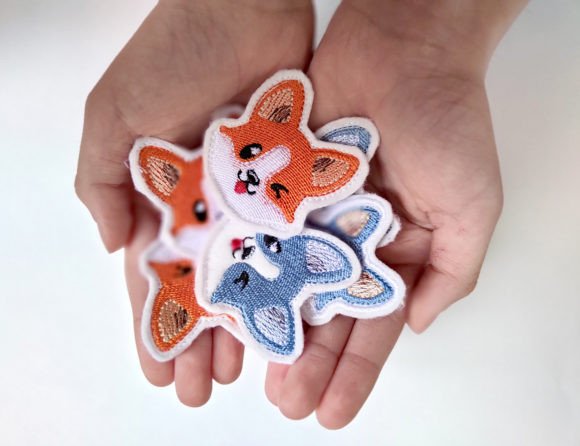
Another test involved using the design as an embroidered patch. The size and detail level worked well for a patch, especially when combined with applique techniques. It could also be used as a decorative accent on caps or hats, though the curved surface required careful placement to avoid stretching the fabric.
Where to Be Cautious: Fabric and Stitch Considerations
While the Cute Angel Wing is generally easy to work with, there are a few areas where caution is needed. On small hoop sizes, the design might feel cramped, especially if you’re trying to stitch it on a tight curve or a narrow area. It’s best to use a larger hoop to maintain even tension and prevent misalignment.
Textured fabrics can sometimes cause the stitches to sit unevenly, so it’s important to test the design on scrap fabric before committing to a final project. Thin or stretchy materials may also require additional stabilizer to keep the design from shifting during stitching.
When working with dark fabrics, the thread color becomes more critical. A white or light-colored thread might not show up well, so choosing a contrasting color is essential. Similarly, on layered garments or curved surfaces, the design might need some adjustment to ensure it sits flat and doesn’t bunch up.
Impact on Visual Appeal and Customer Perception
The Cute Angel Wing adds a touch of elegance and charm to any finished product. It enhances the visual appeal of custom apparel, making it more attractive to buyers looking for unique, handmade items. For small business owners and Etsy sellers, this design can elevate the perceived value of a product, especially when paired with thoughtful branding and presentation.
As a personalized gift, the design feels meaningful and intentional. Parents often appreciate subtle, symbolic elements in their child’s clothing or decor, and the angel wing serves that purpose well. It also works well for holiday or wedding-themed projects, offering a gentle, celebratory touch.
From a professional standpoint, the design helps reinforce brand consistency. If you're creating a line of nursery-related products, the Cute Angel Wing can serve as a recurring motif that ties your offerings together. It also makes for a great printable mockup or digital product preview, helping customers visualize how the design will look on their chosen item.
Practical Designer Notes: Testing and Preparation
Before using the Cute Angel Wing on a client project or commercial product, I always recommend testing it on scrap fabric. This helps identify any issues with stitch density, thread color contrast, or fabric compatibility. It’s also a good idea to review the stitch count and file format to ensure it matches your embroidery machine’s capabilities.
For small details, such as the edges of the wing or any lettering, it’s important to inspect them closely. Tiny elements can sometimes get lost in the stitching process, so adjusting the design or using a finer needle might be necessary. Testing the design in black and white mockups can also help you see how it looks on different backgrounds.
When working with clients, it’s crucial to confirm that the design meets their expectations. Some may prefer a more detailed version, while others might want a simpler, minimalist approach. Always check whether the design is suitable for both personal and commercial use, and verify the licensing terms before selling finished items or digital products.
Final Thoughts: A Versatile and Lovable Design
The Cute Angel Wing is a versatile embroidery design that can fit into a wide range of projects. Whether you're creating custom apparel, baby items, or small shop merchandise, it offers a soft, appealing aesthetic that resonates with many audiences. Its simplicity makes it easy to work with, while its charm ensures it stands out in a crowded market.
As a designer, I appreciate how the Cute Angel Wing balances detail with practicality. It’s a design that feels both artistic and functional, making it a valuable asset for anyone involved in embroidery, handmade products, or craft businesses. With proper preparation and attention to detail, it can become a staple in your design library and a favorite among your customers.